Old catalytic converters pile up faster than most people realize. Repair shops replace them. Scrap yards collect them. Vehicles reach the end of their life and parts get removed. What appears to be a minor metal object is in fact, something unique. The rhodium, palladium and platinum. Difficult to mine and costly to produce metals.
That is how Scrap Recycle Catalytic Converters seems to be more than just recycling work. It turns into an environment solution. Recycling used converters contributes to decreased mining, decreased industrial wastes and preservation of useful materials to be used.
This blog will discuss why it is important to recycle catalytic converters, the mechanism of the practice and the importance of responsible recyclers in environmental conservation.
Why Catalytic Converters Contain Valuable Metals
Catalytic converters are constructed to minimize offensive emissions from cars. The precious metals are deposited over the inside of the metal shell in a ceramic structure. These metals also interact with the toxic gases and convert them to less harmful emissions.
Platinum group metals are not easy to obtain. Mining them requires huge amounts of energy and land disturbance. Sometimes several tons of ore must be processed to extract a small amount of metal.
Recycling changes that equation. A used catalytic converter still holds recoverable metals that can be refined and reused in new products. Instead of digging deeper into the earth, industries can reuse materials that already exist.
Environmental Benefits of Catalytic Converter Recycling
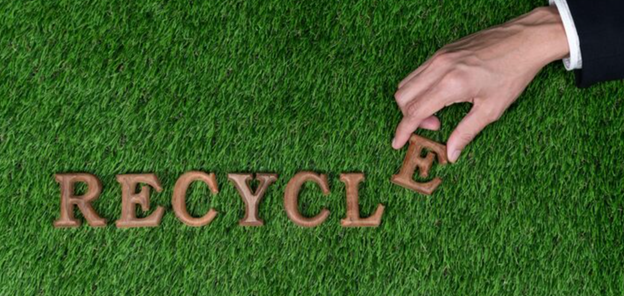
Recycling converters reduces environmental pressure in several ways. Mining operations create pollution, damage ecosystems, and generate heavy industrial waste. Recovering metals from scrap avoids many of these problems.
Some of the major environmental benefits include:
- Lower mining demand, which protects natural landscapes
- Reduced greenhouse gas emissions during metal production
- Less toxic waste entering soil and water systems
- Better conservation of rare platinum group metals
Even small recycling efforts contribute to a much larger environmental impact. One converter may not seem like much, but thousands processed every month can save enormous resources.
How Catalytic Converter Recycling Works
A professional Catalytic Converter Recycling Company follows a structured process to recover metals safely and efficiently. It is not just scrapping handling. Precision and testing are involved.
The typical recycling process includes:
- Inspection and identification of converter types
- Material preparation and sampling for analysis
- Laboratory testing to determine metal content
- Refining and recovery of platinum, palladium, and rhodium
Once metals are extracted, they return to industrial supply chains. Manufacturers use them again in catalytic converters, electronics, and chemical catalysts. Recycling keeps the metals moving through the system instead of sending them to landfills.
Why Working with a Local Catalytic Converter Recycler Matters

Distance plays a bigger role than people expect. Shipping scrap materials long distances increases transportation emissions and operational costs. Working with a Local Catalytic Converter Recycler helps reduce that footprint.
Responsible recyclers also maintain strict records. That matters because catalytic converter theft has increased in many regions. Proper documentation protects both the seller and the recycling industry.
Growing Demand for Recycled Precious Metals
The platinum group metals are in demand. These metals are useful in emission control systems, industrial catalysts and in advanced energy technologies.
This demand cannot be addressed through mining only in a sustainable manner. Recycling has become one of the most practical solutions.
Catalytic converters provide recovered metals, which have come to play a major role in supplying the world. Every recycled unit will mean less mining will be required, and the industries that use these rare materials will be supported.
Conclusion
Recycling of catalytic converters is not just a way to save precious metals. It alleviates the mining pressures, protects ecosystems and makes industries use the rare resources in a responsible manner.
This cycle is engaged in repair shops, scrap yards, and scrap dismantlers. The responsible recycling partners will see that the converters are properly recycled and the metals reused effectively.
Responsible recovery of precious metals and maintenance of valuable material in the supply chain of industries are supported by companies such as Gndrefiners.
FAQs
1. What does Scrap Recycle Catalytic Converters mean?
Scrap Recycle Catalytic Converters refers to collecting used converters and recovering valuable metals like platinum, palladium, and rhodium through professional refining.
2. Why is a Local Catalytic Converter Recycler important?
A Local Catalytic Converter Recycler reduces transportation emissions, improves processing speed, and ensures converters are handled legally and responsibly.
3. How does a Catalytic Converter Recycling Company recover metals?
A Catalytic Converter Recycling Company analyzes the internal material, tests it in laboratories, and extracts precious metals through specialized refining processes.
4. Are recycled catalytic converter metals reused in manufacturing?
Recovered metals are reused in automotive components, electronics, industrial catalysts, and other technologies that require platinum group metals.