A scrap seller in Washington once compared payouts from two different buyers for nearly identical catalytic converters. One local buyer offered a fast flat-rate payment. A professional refinery tested the same type of units weeks later and paid significantly more after proper analysis. That difference surprised him. It also explains why searches for Catalytic Converter Refinery Near Me continue growing every year.
Many sellers still do not know how refining actually works. Some buyers simply collect and resell converters, while real refiners process materials through detailed recovery systems. The gap between those two methods can seriously affect profits, especially when precious metal prices rise.
Small-Batch Buyers Usually Work on Estimates
A lot of local buyers operate through quick turnover. Converters come in, prices get estimated, and material moves out fast. That setup works for convenience, but accuracy often suffers.
Most small buyers depend heavily on appearance, serial numbers, or outdated databases. Few perform deep testing on the ceramic substrate inside the converter. That becomes risky because two converters that look nearly identical can carry very different amounts of platinum, palladium, or rhodium.
Precious metal markets also shift constantly. Rhodium prices alone have jumped dramatically over recent years. A converter valued incorrectly during those swings may leave sellers losing hundreds or even thousands across larger loads.
What Real Refining Actually Looks Like
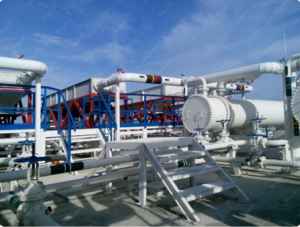
Professional refining is far more technical than basic converter buying. A legitimate Catalytic Converter Recycling Company processes materials through testing, sampling, and recovery stages designed to measure real metal content instead of guessing.
The process usually includes:
- converter identification,
- ceramic sampling,
- laboratory assay testing,
- precious metal recovery.
Large refiners use detailed grading systems backed by huge converter databases. Some operations track tens of thousands of unit types because values vary heavily by manufacturer and vehicle model.
Proper sampling matters a lot. One weak sample can distort the payout for an entire batch. Experienced refiners spend serious time making sure testing stays accurate and representative.
Transparency Separates Professionals from Flippers
Fast payouts sound attractive at first. Nobody wants complicated paperwork or delayed processing. Still, transparency matters more in the long run.
Reliable refiners explain:
- How pricing is calculated,
- What assay methods are used,
- How market rates affect settlements.
Buyers who avoid those conversations usually create uncertainty for suppliers. Industry recycling groups have repeatedly pointed toward assay-based settlements as a stronger long-term approach for converter sellers. Direct refining access generally improves consistency because pricing reflects recoverable metal value rather than quick resale margins.
A lot of experienced sellers eventually stop chasing the fastest quote. Stable returns matter more over time.
Why Compliance Became a Major Industry Issue
Converter theft has changed the industry dramatically across the United States. Several states now enforce tighter regulations around catalytic converter sales and documentation.
Professional refiners adapted quickly by introducing:
- supplier verification systems,
- detailed transaction records,
- anti-theft compliance procedures.
Smaller operations sometimes struggle to meet those standards consistently. That can create risks for both sellers and buyers.
A refinery that takes compliance seriously usually protects its suppliers better in the long run. Clear documentation also builds trust with commercial accounts and large recycling networks.

Real Refining Supports Better Long-Term Pricing
The best refining companies maintain direct relationships with smelters and recovery facilities. That access helps reduce middle-layer costs and improves payout structures.
Small buyers often depend on reselling material upward through multiple channels before final processing happens. Every extra layer cut into potential supplier profits somewhere along the chain.
Experienced sellers understand this pretty quickly. Better infrastructure usually creates more reliable numbers.
The Best High Quality Refiners also tend to educate suppliers instead of hiding information. Strong refiners explain market conditions, discuss metal trends, and help sellers understand converter categories. That kind of communication builds stronger partnerships over time.
Choosing a Refinery Takes More Than Reading Reviews
A polished website alone does not guarantee professional refining standards. Sellers should pay attention to how companies explain their process.
A trustworthy refinery usually discusses assay methods openly. Staff members answer technical questions clearly instead of avoiding details. Clear communication often says more than flashy marketing claims.
Searching online for a Catalytic Converter Refinery Near Me can bring up hundreds of results, but the strongest companies usually focus on transparency, testing accuracy, and compliance rather than aggressive promises.
Direct refining infrastructure matters too. A company with real processing capability typically provides more stable pricing than operations acting mainly as collection points.
Smaller Sellers Benefit from Professional Refining Too
Many independent sellers assume professional refining only works for large industrial suppliers. That idea is changing fast.
Modern refining networks now work with:
- independent recyclers,
- repair shops,
- scrap yards,
- small dismantlers.
Even smaller batches can benefit from accurate assay testing and direct recovery systems. Better market access has made professional refining more available than it used to be.
Conclusion
Small batch buying and true refining operate very differently behind the scenes. One depends heavily on estimated pricing and quick turnover. The other relies on laboratory testing, recovery systems, compliance, and transparent settlements based on actual precious metal value.
Catalytic converter sellers who understand that difference usually avoid underpayment and make stronger long-term decisions. Clear assays, direct refining access, and honest communication matter far more than flashy offers. Companies like Gndrefiners continue helping suppliers move toward more transparent and professional refining solutions.
FAQs
What does a catalytic converter refinery do?
A refinery extracts precious metals like platinum, palladium, and rhodium from used catalytic converters through testing and recovery systems.
How can I find a reliable Catalytic Converter Refinery Near Me?
Look for companies that provide assay transparency, compliance procedures, and direct refining capabilities.
Why do converter prices vary so much?
Prices depend on precious metal content, converter type, market demand, and recovery efficiency.
What is the difference between a converter buyer and a refinery?
A buyer may only resell converters, while a refinery processes and recovers precious metals directly.