Most people look at a used catalytic converter and see scrap metal. That little metal can is actually holding small traces of platinum, palladium, and rhodium. Those metals are rare and expensive because of that; many recyclers actively Sell Catalytic Converters instead of tossing them into a scrap pile.
One problem keeps showing up, though. Sellers often do not know where the real money is. Some scrap yards pay fast but offer very low prices. Others grade converters properly and pay based on metal value. Knowing the difference can change the final payout quite a bit.
This blog breaks down where converters are usually sold, how pricing works, and how to avoid low offers.
Why Used Catalytic Converters Have Real Value
A catalytic converter is part of a vehicle’s emission system. Inside the unit sits a ceramic honeycomb coated with precious metals. These metals help reduce harmful gases from engines.
Those same metals are the reason recyclers want them. Precious metal markets shift daily, and converters carry small but valuable amounts of those materials. When thousands of units are recycled, the recovered metals become extremely valuable.
That is why many Used Catalytic Converter Buyers specialize only in converter recycling. They have grading tools, metal databases, and refining partnerships that typical scrap yards simply do not have.
Best Places to Sell Catalytic Converters
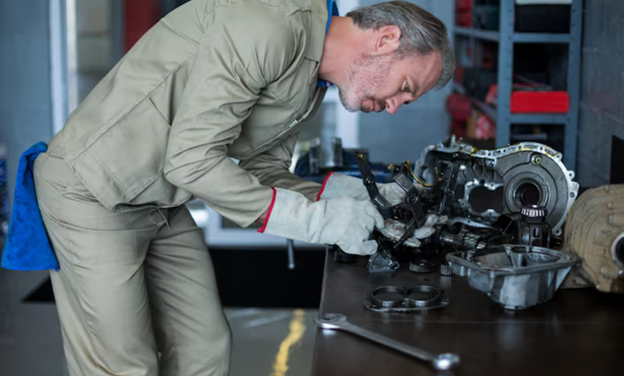
Not every buyer works the same way. Some buyers pay quick cash but offer rough estimates. Others evaluate each converter model and pay according to its actual metal content.
Common places where sellers get competitive offers include:
- Licensed catalytic converter recycling companies
- Precious metal refiners that process converters
- Auto dismantlers handling bulk converter inventory
- Specialized buyers who grade converters per unit
Experienced sellers often avoid random scrap buyers and go directly to buyers who understand converter models.
Understanding Catalytic Converter Prices Per Unit
Converter prices are rarely based on weight alone. The vehicle model usually matters more.
Each converter type contains a different level of platinum group metals. Buyers often identify the unit by serial number or part code. That code connects to a converter database that estimates metal yield.
Several factors influence Catalytic Converter Prices Per Unit:
- The make and model of the vehicle
- Current platinum, palladium, and rhodium prices
- Condition of the converter core
- Whether the converter is sold individually or in bulk
Even two converters from similar vehicles can have very different values.
Tips That Help Sellers Get Better Offers

Selling converters without preparation can lead to low payments. Buyers need clear information to grade converters accurately.
Serial numbers should remain visible whenever possible. Those numbers help identify the converter model and estimate the metal content. Organized shipments also help buyers evaluate units faster.
Another small but important detail is working with licensed buyers. The catalytic converter market has strict regulations in many states. Legitimate recyclers follow these rules and document each purchase. Clear paperwork and transparent grading build trust on both sides.
Conclusion
Used catalytic converters hold real value because of the precious metals inside them. The best returns usually come from experienced buyers who understand converter models and metal recovery.
Scrap yards may offer quick payments, but specialized recycling companies often provide stronger payouts through proper grading and metal analysis. Reliable partners in the recycling industry, including Gndrefiners, focus on accurate evaluations and responsible converter processing.
FAQs
1. Where can I Sell Catalytic Converters for the best price?
Professional catalytic converter recyclers and precious metal refiners usually offer higher payouts because they analyze the converter’s metal content instead of guessing its scrap value.
2. Who are reliable Used Catalytic Converter Buyers?
Reliable buyers include licensed recycling companies, metal refiners, and specialized catalytic converter processors that follow legal purchasing regulations.
3. How are Catalytic Converter Prices Per Unit calculated?
Prices are typically based on the converter model, estimated metal content, and current market prices for platinum, palladium, and rhodium.
4. Do all scrap yards pay the same for converters?
No. Some scrap yards estimate by weight, while specialized buyers grade each converter model. Graded converters often receive higher payouts.