Old car parts don’t usually get much attention. Yet one small unit sitting under a vehicle can carry serious value. That’s why every Catalytic Converter Recycling Company follows a detailed process to recover what’s inside. This blog walks through that process in a simple, real way, without over complicating things.
Why Catalytic Converters Are Recycled
Catalytic converters contain tiny amounts of rare metals. Those metals clean exhaust gases, but once the part is worn out, the value shifts from function to recovery.
The key metals include:
- Platinum
- Palladium
- Rhodium
Even a small quantity of these can be worth a lot. Mining them from the earth is expensive and slow. Recycling becomes the smarter route, both financially and environmentally.
Step-by-Step Process of Catalytic Converter Recycling
Collection and Initial Sorting
Everything begins when sellers bring in used converters. These can come from garages, scrap yards, or individuals who Scrap Recycle Catalytic Converters after removing old parts.
Each unit is sorted based on type and origin. Codes printed on the converter help identify its metal content range. Experienced recyclers rely on databases to match these codes quickly. Accuracy at this stage sets the tone for everything that follows.
Deconning the Converter
The outer metal shell is cut open to reach the inner core. That core looks like a honeycomb and is where the valuable material sits.
Careful cutting is important here. A rough process can lead to material loss, and even small losses matter when dealing with precious metals.
Sampling and Value Testing
Now comes the part that decides the actual payout.
Two main approaches are used:
- Quick scanning tools that estimate value
- Lab-based testing for precise metal content
High-volume sellers usually prefer lab testing. It takes longer, but the results are far more accurate.
Grinding the Core Material
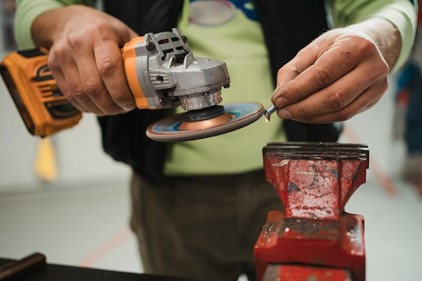
The honeycomb material is crushed into fine powder. This step may sound simple, but it plays a big role.
Grinding ensures the material becomes uniform. Without this, testing and extraction results can vary, and that leads to inconsistent payouts.
Smelting and Metal Recovery
The powdered material is heated at very high temperatures. This separates valuable metals from the rest.
At this stage:
- Base materials are removed
- Precious metals are isolated
Further refining turns those metals into usable, high-purity forms. These can then go back into industrial use, including new catalytic converters.
What Impacts Your Final Return
Not all recyclers operate the same way. The difference in process can directly affect how much money you receive.
A few key factors include:
- Pricing method used by the recycler
- Level of transparency in reporting
- Type of testing, quick scan or full assay
- Volume of converters being processed
A trusted local catalytic converter recycler will explain these clearly, not hide them behind vague pricing.
Real Insight from the Industry
Small sellers often choose fast payments. It feels easier. Hand over the converter, get paid, done. Bulk sellers think differently. They look at long-term value. Lab-based refining usually gives better returns when dealing with larger quantities.
Some industry comparisons have shown noticeable differences in payouts between quick pricing and full assay methods. That gap can quietly eat into profits if not understood.
Why This Process Matters
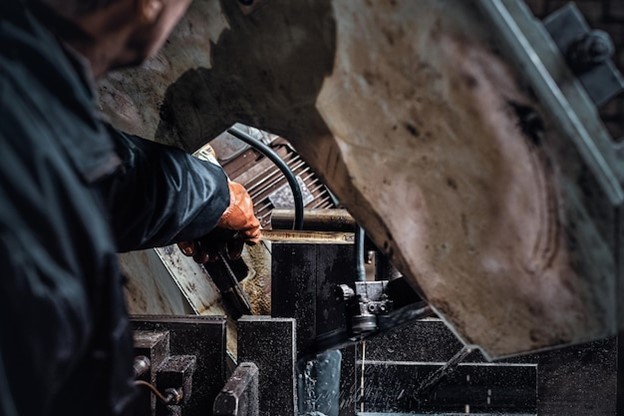
Recycling catalytic converters is not just about money. It reduces the need for mining and lowers environmental impact.
It also supports compliance. Regulations around scrap materials are becoming stricter, especially due to theft concerns in this sector.
Working with a verified recycler helps avoid legal issues and ensures proper handling.
Conclusion
There is a straightforward process in catalytic converter recycling. Collection, testing, processing and extraction are all involved in the determination of the final value. Omission or hurry in one step may impact returns more significantly than many would anticipate.
Understanding this process helps sellers make better decisions. Choosing a reliable partner matters just as much as knowing the steps. Companies like Gndrefiners focus on accuracy, proper testing, and transparent practices, which makes a real difference in results.
FAQs
1. What does a Catalytic Converter Recycling Company do?
They collect used converters, extract valuable metals, and return payment based on the recovered material. The process includes testing, refining, and resale of metals.
2. How can I scrap recycle catalytic converters correctly?
Work with a verified recycler, ensure the parts are legally sourced, and understand the pricing method before selling.
3. Should I choose a local catalytic converter recycler or a large refinery?
Local recyclers offer quicker service, while larger refiners may provide more accurate payouts through detailed testing. The right choice depends on volume.
4. What determines the price of a catalytic converter?
The price depends on metal content, current market rates, and the testing method used. Lab analysis usually gives the most reliable valuation.