A lot of old catalytic converters end up sitting in garages, repair shops, or scrap piles without anyone realizing what they are actually worth. Some units sell for small amounts. Others bring in hundreds of dollars because of the precious metals packed inside. That difference surprises people all the time.
The market for people looking to Sell Catalytic Converters has grown fast in recent years. Higher metal prices changed everything. Scrap converters that were once ignored are now something sellers can recycle catalytic converters for cash.
Still, not every buyer pays fairly. One place may throw out a random number in thirty seconds while another carefully checks the converter and offers far more. Knowing how the process works can save sellers from losing money without even noticing it.
Why Catalytic Converters Hold Real Value
Most of the value comes from three metals inside the converter:
- platinum
- palladium
- rhodium
These metals help reduce harmful emissions coming from vehicles. Even damaged or old converters may still contain enough recoverable material to carry a strong recycling value.
Market prices move constantly, though. Rhodium alone has gone through massive jumps over the years. That is one reason converter pricing changes so often.
Hybrid vehicles usually attract more attention from buyers because many hybrid converters contain higher concentrations of precious metals. Imported vehicles can also bring higher payouts compared to smaller aftermarket units.
At first glance, two converters may look almost identical. The value difference between them can still be huge.
How Converter Buyers Actually Price Units
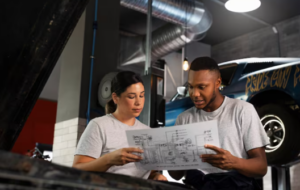
A professional buyer does not simply weigh the converter and toss out a guess. Real pricing depends on identification, grading, and current metal market conditions.
Most experienced buyers check:
- serial numbers
- manufacturer details
- internal material type
- live precious metal prices
That information helps determine how much recoverable metal exists inside the converter.
OEM converters generally hold better value than aftermarket units because the metal content is often higher, which is why sellers look for Best Buy Catalytic Converter Scrap offers. Sellers who skip identification usually end up accepting lower offers than they should.
A small detail stamped onto the converter body can completely change the payout.
What Happens When You Sell Scrap Catalytic Converter Material
The process has become stricter over the last several years. Theft concerns pushed many states to tighten regulations, and serious buyers now follow documentation procedures much more carefully.
Usually, the converter gets identified first. After that, grading specialists evaluate the unit and connect the value to current metal pricing. Some Sell Scrap Catalytic Converter to speed up the process and improve pricing accuracy.
Fast payment has become common in the industry. Same-day quotes and instant cash offers are everywhere now, especially for commercial sellers moving larger volumes.
Quick deals are helpful, sure. But transparency matters more.
A trustworthy buyer explains how pricing works instead of avoiding details or changing numbers later.
Mistakes That Often Cost Sellers Money
People lose money in this market more often than they think. A rushed deal usually benefits the buyer, not the seller.
A few common problems show up repeatedly:
- accepting the very first quote
- selling without checking the converter type
- working with unverified buyers
- ignoring metal market timing
One recycling operator in Oregon mentioned that switching from local scrap pricing to direct refinery grading increased returns by nearly thirty percent on bulk loads. That is not a small difference.
Professional refiners tend to rely on grading systems, updated databases, and real market numbers rather than rough estimates.
Finding the Best Catalytic Converter Buyer

The Best Catalytic Converter Buyer is rarely the loudest company online. Fancy promises do not always mean fair payouts.
Consistency matters more. Strong buyers usually offer clear communication, transparent pricing, and proper compliance documentation. Many also provide shipping support or bulk selling solutions for commercial suppliers.
Some companies act as middlemen and resell converters elsewhere. Others refine material directly. Direct refiners often provide better returns because there are fewer layers between the seller and the actual recovery process.
Clear answers matter too. Delayed responses and vague pricing explanations usually create problems later.
Why Transparency Matters More Today
Catalytic converter recycling has become a much more competitive industry. Buyers now compete heavily on trust, pricing accuracy, and supplier relationships.
Sellers want to understand what they are being paid for. That is reasonable.
Hidden pricing systems make people suspicious fast. Reliable refiners tend to explain grading methods clearly and maintain long-term relationships with suppliers instead of chasing one-time deals.
That approach builds confidence over time, especially for businesses selling converters regularly.
Conclusion
Converter recycling is no longer just another scrap transaction. Precious metal prices, grading accuracy, and buyer transparency all play a major role in determining final payouts. Sellers who understand the process usually make stronger decisions and avoid low offers that leave money on the table.
Careful identification, market awareness, and trustworthy refining partners can make a noticeable difference. For transparent evaluations and reliable recycling support, Gndrefiners continues to be a trusted name in the catalytic converter industry.
FAQs
How do I Sell Catalytic Converters for the best value?
Checking serial numbers, comparing offers, and working with transparent buyers usually leads to stronger payouts.
Where can I Sell Scrap Catalytic Converter units safely?
Licensed refiners and verified recycling companies are generally the safest option because they follow compliance and documentation rules.
How does the Best Catalytic Converter Buyer determine pricing?
Most buyers evaluate converter type, precious metal content, manufacturer details, and current market rates before making an offer.
Are damaged catalytic converters still worth money?
Yes. Even damaged converters may contain recoverable precious metals that carry recycling value.