Catalytic converter theft keeps rising across the U.S., and scrap prices still swing hard month to month. One week, palladium jumps. Next week, buyers change rates overnight. That leaves many sellers asking the same thing: should you sell online or work with a Local Catalytic Converter Recycler nearby?
The answer depends on price, trust, speed, and risk. Some sellers care about fast cash. Others want accurate grading and better returns. This blog breaks down both options in plain terms, without the fluff, and helps you avoid the mistakes that cost sellers real money every day.
Why Catalytic Converter Prices Vary So Much
Catalytic converters contain precious metals like platinum, palladium, and rhodium. Market prices for those metals move constantly. Those alone changes scrap value.
Then there’s another issue. Different buyers use different grading systems.
Some buyers offer flat rates without checking the actual serial number or internal material. Others use databases and assay testing to calculate value more accurately. That gap can mean hundreds of dollars lost on a single load.
Experienced Catalytic Converter Buyers usually price converters based on:
- OEM serial numbers
- Metal content
- Converter condition
- Current precious metal market rates
- Weight and core type
Cheap offers often come from buyers rushing the process.
Selling to Online Catalytic Converter Buyers

Online buyers have grown fast over the last few years. Many now offer shipping labels, digital quotes, and nationwide service.
For high-volume sellers, this can work well.
Benefits of Selling Online
Online platforms often provide:
- Access to larger national markets
- Competitive bidding
- Price comparison tools
- Bulk shipping options
- Database-based pricing
Some companies also update converter values daily based on live metal prices. That creates more transparency than old-school cash buyers working from rough estimates.
A 2024 recycling industry report showed that digital converter marketplaces increased average seller payouts by nearly 15% compared to unverified local cash offers. That’s a noticeable difference for repair shops and scrap businesses handling volume.
Downsides of Online Buyers
Shipping creates delays. Payment may take days after inspection.
Another problem is trust.
Not every online company grades fairly. Sellers sometimes complain about:
- Lower revised offers after shipment
- Slow payouts
- Missing converters
- Poor communication
A flashy website does not always equal a reliable refinery.
Documentation also matters more online. Many states now require proof of ownership because catalytic converter theft regulations have become stricter.
Working With a Local Catalytic Converter Recycler
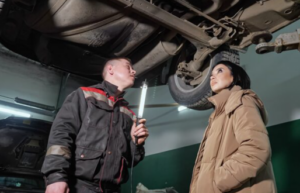
Local recycling buyers still dominate many regional markets. Fast inspections and same-day payments keep them attractive.
A trusted Local Catalytic Converter Recycler can simplify the entire process.
Advantages of Local Buyers
Face-to-face selling reduces uncertainty.
You can:
- Ask questions directly
- Watch grading happen
- Compare offers quickly
- Get paid faster
- Avoid shipping risks
Scrap yards and local refiners also understand regional markets better. Some build long-term relationships with auto shops, tow yards, and dismantlers.
One Oregon auto recycler shared that switching from random cash buyers to a dedicated local refinery increased annual converter revenue by over 20%. The reason was simple. Better grading accuracy.
That happens more often than people think.
Problems With Local Buyers
Not every local yard offers fair market value.
Small buyers may:
- Use outdated price sheets
- Lack serial number databases
- Undervalue rare converters
- Offer blanket pricing
Transparency becomes the biggest issue.
A buyer saying “that’s just the market price” without proof is usually a red flag.
Which Option Pays More?
This depends on converter type and seller volume.
Online buyers sometimes pay more for:
- rare OEM converters
- large commercial shipments
- specialty industrial catalysts
Local buyers usually win when sellers value:
- speed
- convenience
- immediate cash flow
- direct communication
Many experienced sellers actually use both methods.
Higher-value converters go to specialized refiners. Lower-value scrap gets sold locally to save time.
That strategy often delivers the Best Buy Catalytic Converter Scrap returns overall.
Signs of a Reliable Catalytic Converter Buyer
Finding a trustworthy buyer matters more than choosing online or local alone.
Look for these signs before selling:
- Clear grading methods
- Transparent pricing data
- Business licenses and compliance
- Market-based quotes
- Strong customer reviews
- Fast communication
- Detailed payout breakdowns
Professional Catalytic Converter Buyers rarely avoid questions. Honest refiners explain how values are calculated.
That transparency protects both sides.
How to Get the Highest Scrap Value
Small details can change payout amounts fast. Clean documentation helps. Keeping serial numbers visible also matters. Damaged or cut converters often receive lower offers because accurate grading becomes harder. Another useful tip: compare at least three quotes before selling.
Prices can vary wildly in the same city. Metal markets move daily too. Rhodium alone has seen extreme swings over the last few years. Timing your sale during stronger market periods can increase returns significantly. Patience sometimes pays better than rushing for quick cash.
Conclusion
Online buyers offer reach, technology, and larger market access. Local recyclers provide speed, convenience, and personal trust. Neither option is automatically better.
The smartest move comes down to transparency, accurate grading, and consistent payouts. Sellers who compare offers carefully and work with experienced refiners usually earn more over time.
Reliable partnerships matter in this industry. That’s where companies like Gndrefiners continue building trust through accurate evaluations, compliance-focused processes, and transparent catalytic converter recycling services.
FAQs
How do I find trustworthy Catalytic Converter Buyers?
Check reviews, business licenses, grading transparency, and payout history. Reliable buyers explain pricing clearly and provide documentation during the sale.
Does a Local Catalytic Converter Recycler pay more than online buyers?
Sometimes. Local recyclers may offer faster payments, while online refiners can provide stronger pricing for rare or high-volume converters.
What affects catalytic converter scrap value the most?
Metal content, OEM serial numbers, converter condition, and current platinum, palladium, and rhodium prices all impact value.
Where can I get the Best Buy Catalytic Converter Scrap prices?
Compare quotes from multiple buyers, including specialized refiners and established local recyclers. Transparent grading usually leads to better payouts.