Catalytic converter theft changed the recycling industry fast. Scrap yards that once bought converters with barely any questions now ask for paperwork, IDs, and proof of vehicle ownership before moving forward. Many Used Catalytic Converter Buyers tightened their policies after theft cases increased across the country.
That catches a lot of sellers off guard. A converter might belong to you completely, but without proper records, the sale can still get delayed or rejected. Clean documentation matters now more than ever. This blog breaks down what buyers usually ask for, how verification works, and what steps help sellers avoid unnecessary problems.
Why Buyers Ask for Ownership Proof
Catalytic converters contain precious metals like platinum, palladium, and rhodium. Their value pushed theft numbers higher over the last few years. According to reports from the National Insurance Crime Bureau, converter theft claims increased sharply after 2020, forcing states and recycling companies to strengthen regulations.
Professional buyers now need proof showing the converter came from a legal source. That protects:
- the recycler
- the seller
- The overall scrap market
A missing document may immediately raise suspicion, even during a legitimate transaction.
Vehicle Registration Is Usually the Strongest Proof

Most licensed buyers first ask for a vehicle registration or title. That paperwork connects the catalytic converter directly to the owner of the vehicle.
The information normally reviewed includes:
- VIN
- vehicle make and model
- seller identification
Everything should match clearly.
A converter removed from a registered vehicle creates far fewer problems during inspection. Some recyclers even keep digital transaction records for years to stay compliant with state regulations.
Repair Invoices Also Help
A repair invoice can work as supporting proof, especially when a mechanic or auto shop recently replaced the converter.
Invoices often show:
- repair date
- shop details
- replacement information
- vehicle identification
That extra paperwork speeds up verification. Some sellers skip this step and later struggle to explain where the converter came from. Small details matter more now than they did five years ago.
How Catalytic Converter Buyers Verify Parts
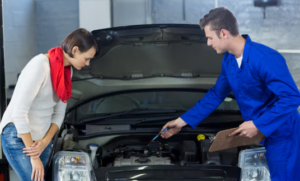
Experienced Catalytic Converter Buyers follow a structured verification process before finalising purchases. This is no longer just about checking scrap value.
Many recyclers now photograph incoming converters, log seller information into state databases, and inspect serial markings carefully. Certain states even require holding periods before payment is released.
Inspection teams usually check for:
- tampering signs
- damaged serial markings
- cut patterns
- OEM or aftermarket status
OEM converters often carry a higher value because they contain more recoverable precious metals.
A heavily damaged converter can reduce payout significantly. Cracked shells, missing sections, or altered identification marks create additional concerns during grading.
Common Mistakes Sellers Make
One issue shows up repeatedly. Sellers, please remove the converter first and handle the paperwork later. That approach creates delays.
Loose converters without records often get flagged immediately, even if the part is legitimate. Another common mistake involves damaging VIN-related information during removal. A rushed cut with the wrong tool sometimes removes details buyers need for verification.
Unlicensed buyers create another problem. Fast cash offers might sound attractive at first, but undocumented sales can lead to legal complications later. Reputable businesses that Sell Scrap Catalytic Converter materials legally usually work through documented procedures and transparent evaluations.
State Laws Continue to Change
Converter recycling laws vary across the U.S. California, Texas, and New York introduced stricter rules in response to theft spikes. Some states require signed ownership declarations. Others require electronic seller tracking or delayed payment systems. Independent sellers often miss these changes because regulations evolve quickly.
Commercial auto dismantlers and repair facilities usually stay informed since violations can affect licensing and business operations. Smaller sellers sometimes assume old rules still apply. That assumption can slow down transactions badly.
Smart Preparation Saves Time
Organised sellers almost always move through the process faster. Keeping documents ready before contacting buyers reduces back-and-forth communication and prevents delays during inspections.
Clear photos also help. Pictures showing the converter attached to the vehicle, along with VIN information, create stronger proof during evaluation. Many Used Catalytic Converter Buyers request photos before giving final pricing anyway.
Good preparation does not take long, honestly. Yet it can make a major difference once pricing discussions begin.
Conclusion
Selling a catalytic converter legally now depends heavily on proper documentation and transparent records. Buyers need clear proof before processing material, especially with tighter state regulations and theft concerns affecting the industry.
Vehicle registration, repair invoices, and valid identification help create a smoother transaction from start to finish. Clean records protect both the seller and the recycler while reducing delays, disputes, and rejected sales.
Gndrefiners continues to work with compliance-focused buying practices, accurate evaluations, and transparent processes that help legitimate sellers move through catalytic converter sales with greater confidence.
FAQs
What do Used Catalytic Converter Buyers ask for before purchasing?
Most buyers request a government-issued ID, vehicle registration or title, and sometimes repair invoices connected to the converter.
Can I Sell Scrap Catalytic Converter parts without paperwork?
Some buyers may accept alternate proof of ownership, but many licensed recyclers reject undocumented converters due to state regulations.
Why do Catalytic Converter Buyers inspect serial numbers?
Serial numbers help buyers verify authenticity and reduce the risk of processing stolen catalytic converters.
Are OEM converters worth more than aftermarket converters?
Yes. OEM catalytic converters generally contain higher amounts of precious metals, making them more valuable during recycling and refining.